Wide width shoes for women: a sizing guide
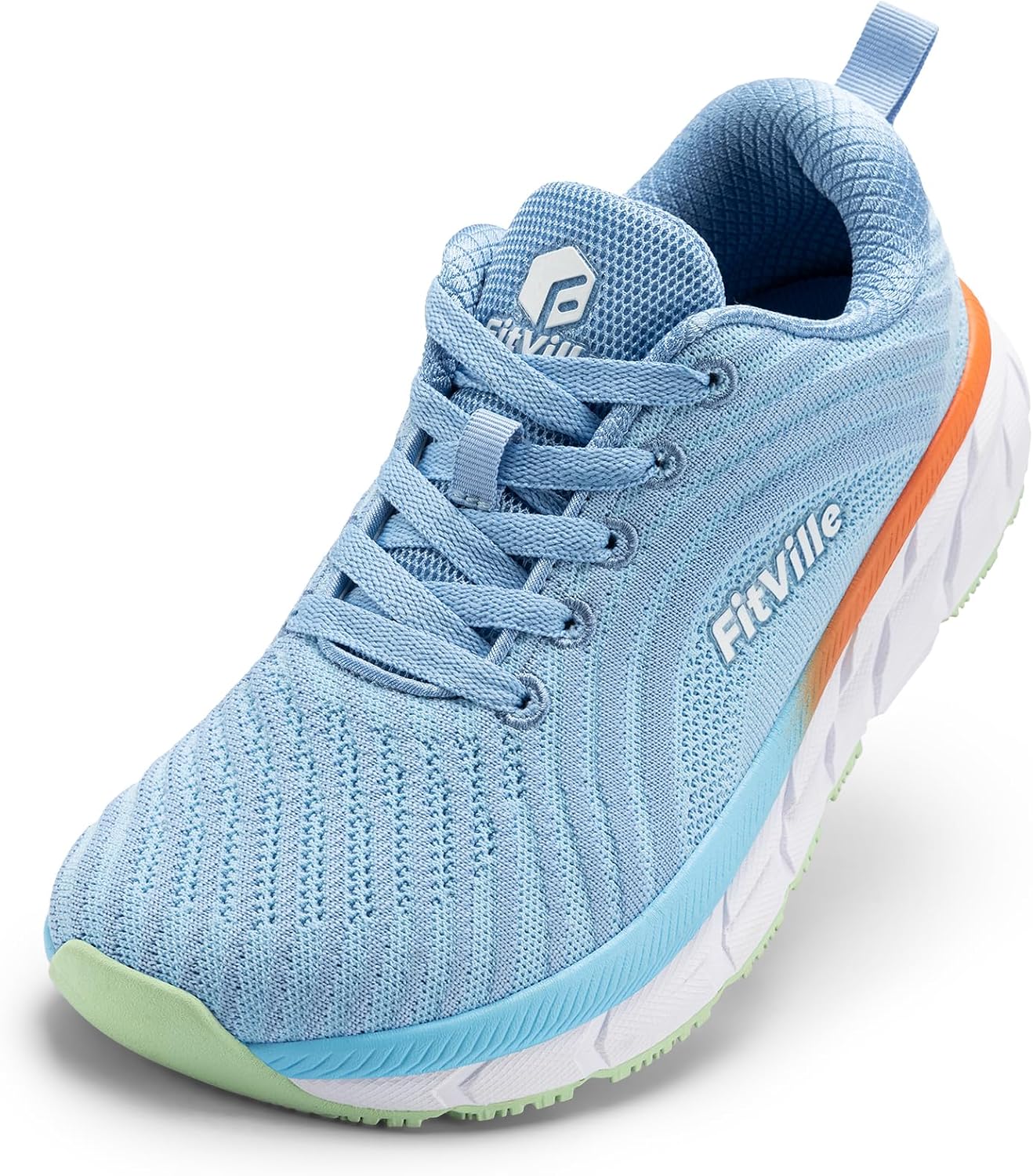
If shoes always pinch your toes or leave red marks across the top of your foot, the problem may not be the length — it may be the width. Most women's shoes are built on a medium ('B') width, and a large share of feet simply need more room. Wide-width shoes fix that without forcing you into a longer, clumsier size.
Width letters, decoded
- B (or M): medium — the default width most women's shoes are made in.
- D: wide — noticeably more room across the ball of the foot.
- E / EE: extra wide — for feet that still feel squeezed in D.
- Width is independent of length: a size 8D is the same length as an 8B, just wider.
How to check your width at home
Stand on a sheet of paper in the afternoon (feet swell slightly through the day), trace your foot, and measure across the widest part — the ball of the foot. Compare that measurement to the brand's size chart rather than guessing. If you're between widths, go wider: a shoe that's slightly roomy can be tuned with laces or an insole, but a shoe that's too narrow can't be stretched enough to fix.
Fit checks that matter
- Toes should spread freely — no pressure against the toe box when you stand.
- The upper should lie smooth, not bulging over the sole edge.
- Heel stays put when you walk; width shouldn't cost you heel hold.
- Look for adjustable closures if your feet swell during the day.
General fit information, not medical advice. Width options vary by model — check each listing's size chart.
Well-reviewed wide-fit women's picks
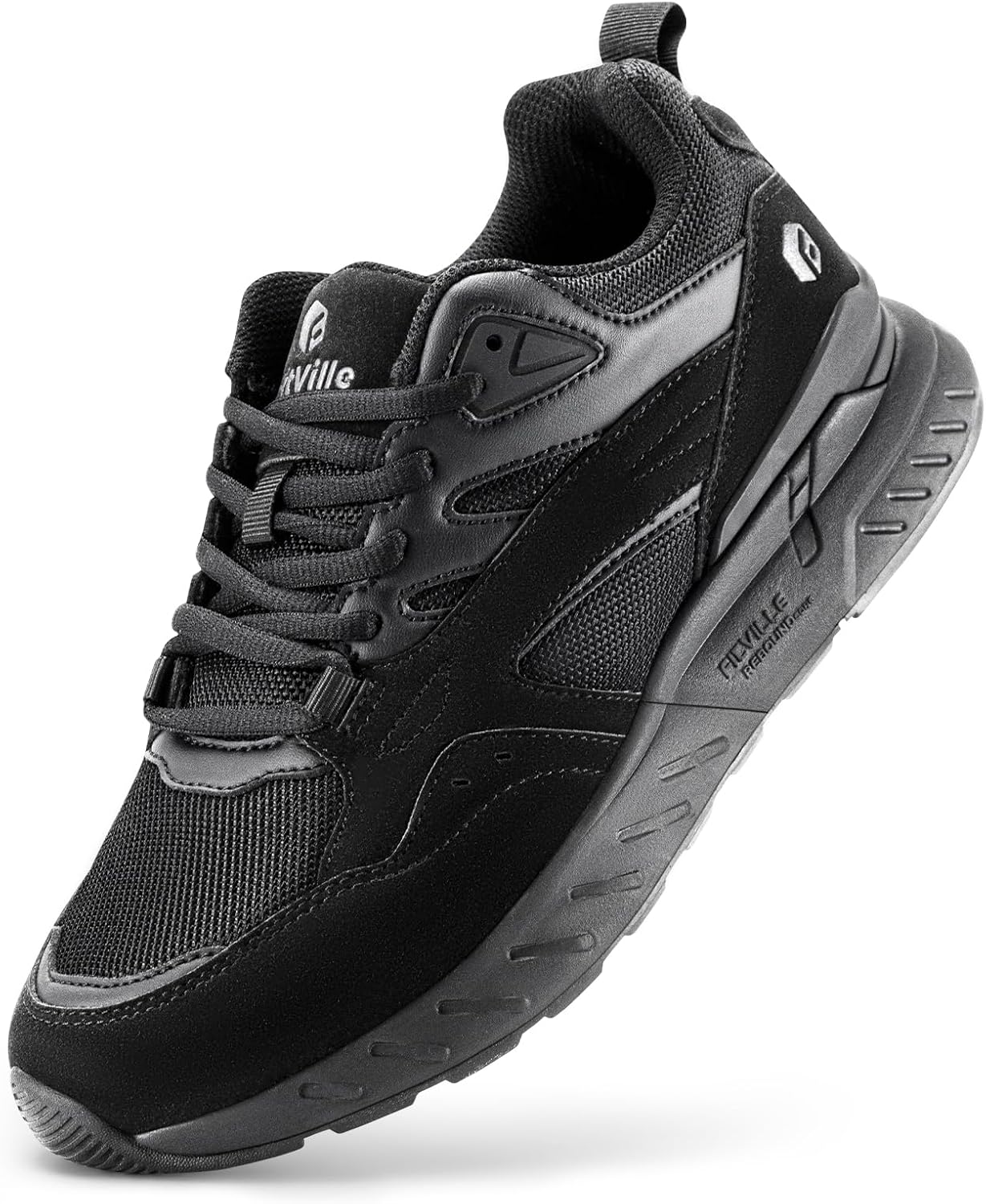
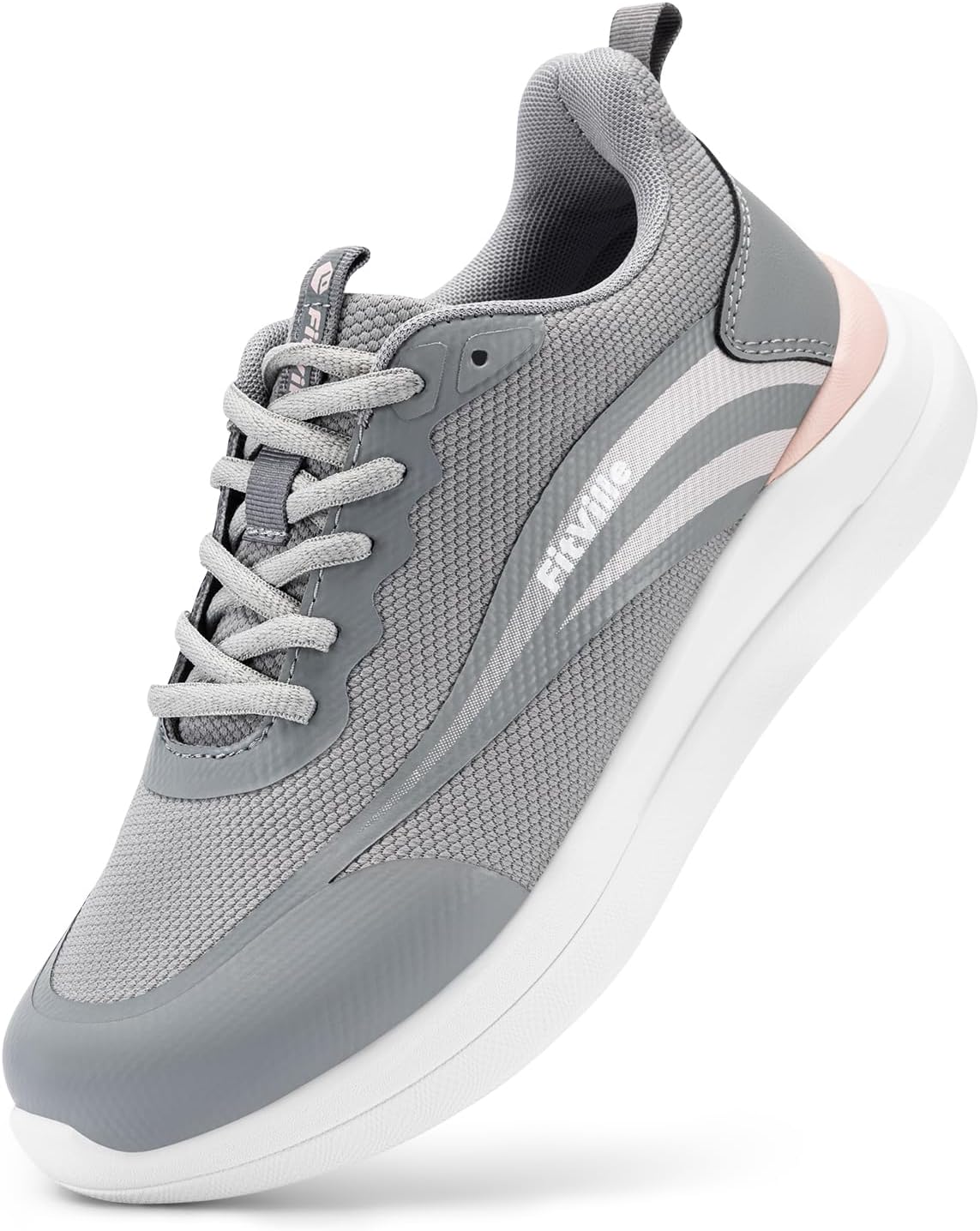
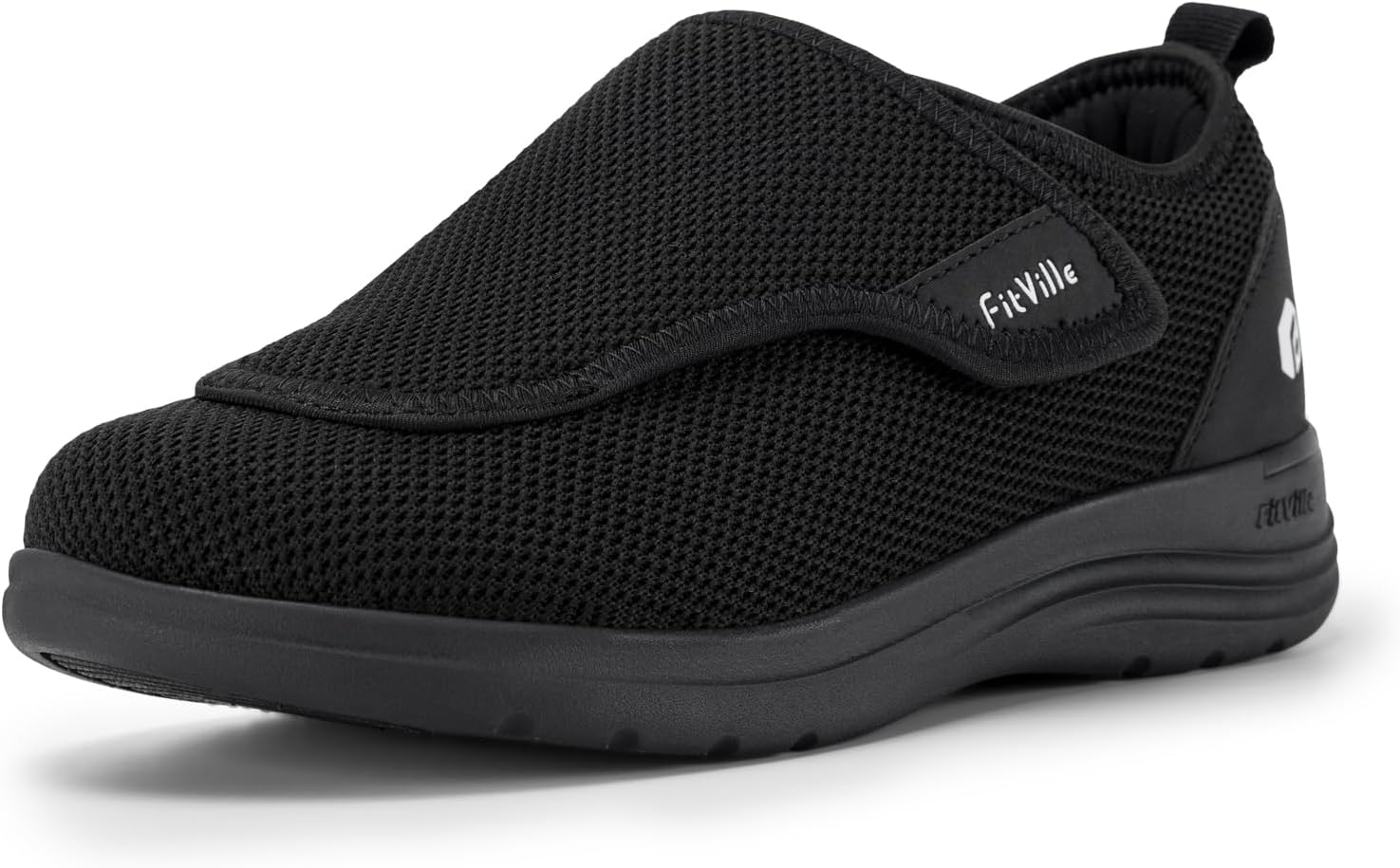
Browse wide-width women's shoes on Amazon ↗Affiliate link — we may earn a commission.
How we guide. These guides explain footwear design in general terms and link to our independent reviews, which summarize each listing's stated features and real Amazon ratings. We do not lab-test products. This is general information, not medical advice.