Orthopedic shoes for women: a plain-English guide
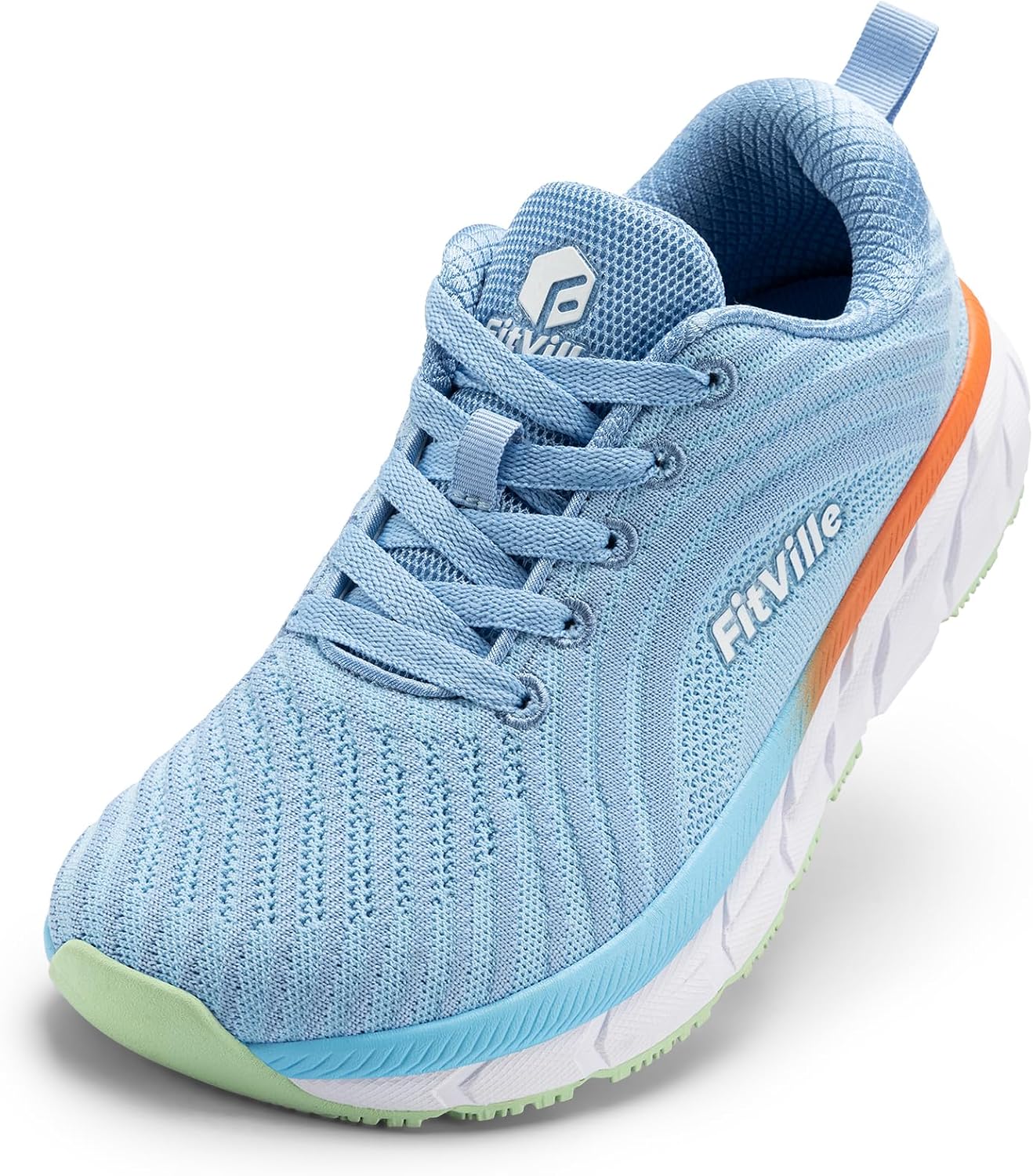
Search for women's comfort shoes and you'll see the word 'orthopedic' everywhere. It sounds medical, but in online shoe listings it usually describes a set of comfort-oriented design features — not a prescription device. Knowing what the label does and doesn't mean helps you buy the right pair without overpaying for a buzzword.
What 'orthopedic' usually means in a listing
- Arch support: a contoured footbed that supports the arch instead of a flat, thin insole.
- Cushioning: thicker midsoles and heel cushioning to soften each step.
- Roomy toe box: space for toes to spread, often in wide and extra-wide widths.
- Adjustable closures: laces, straps or stretch panels that let you tune the fit.
- Removable insoles: so you can swap in your own orthotic if you use one.
None of these features makes a shoe a medical treatment. If you have a diagnosed foot condition or pain that persists, talk to a podiatrist or your doctor — a shoe purchase is not a substitute for professional advice.
How to choose a pair
Start with fit: length and width both matter, and many women who think they need a bigger size actually need a wider one. Then match the features to your day — long walking days favor cushioning and arch support; swollen or sensitive feet favor adjustable closures and seamless linings. Finally, check real ratings: a comfort shoe with thousands of reviews tells you more than any marketing claim.
Well-reviewed women's comfort picks
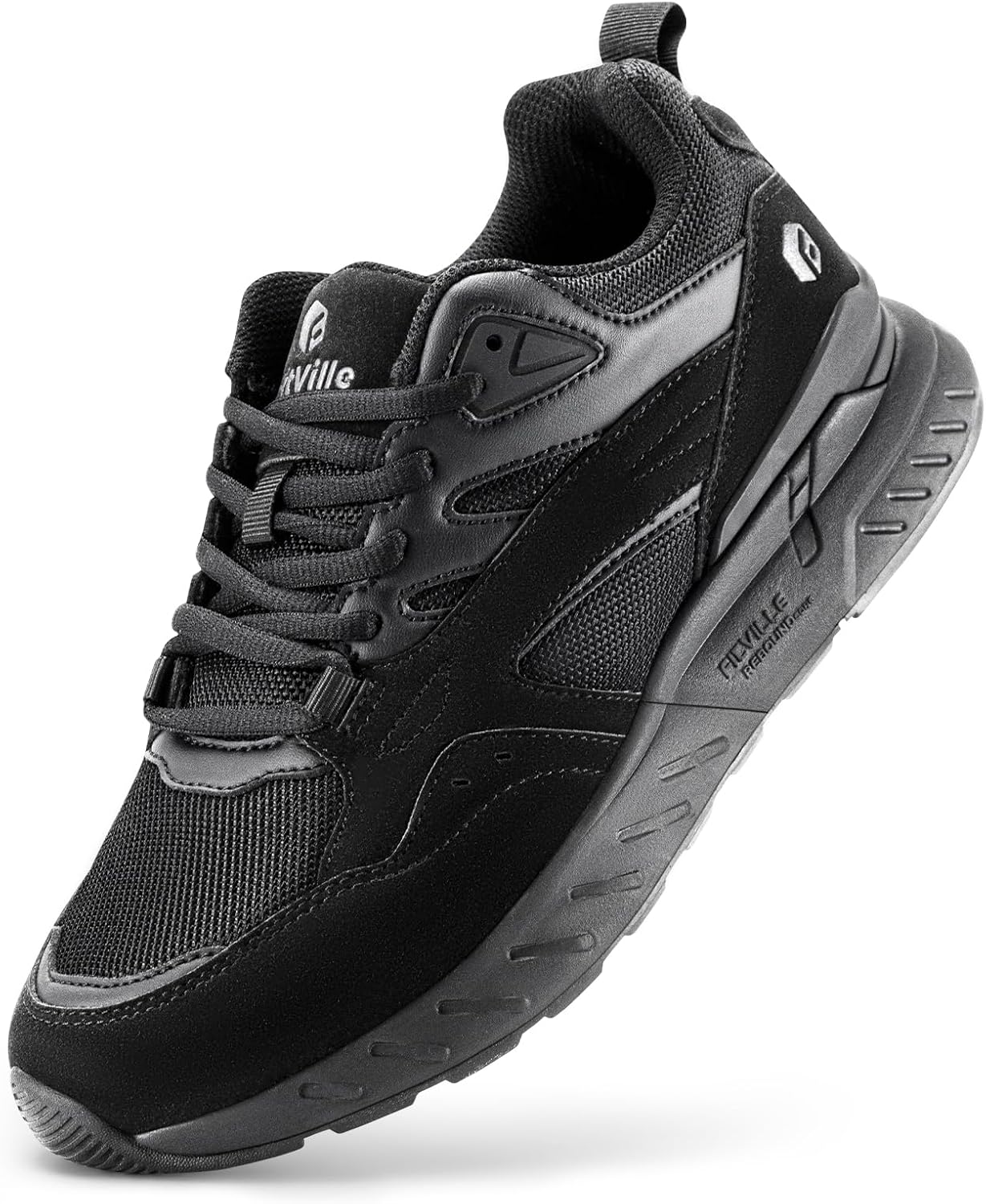
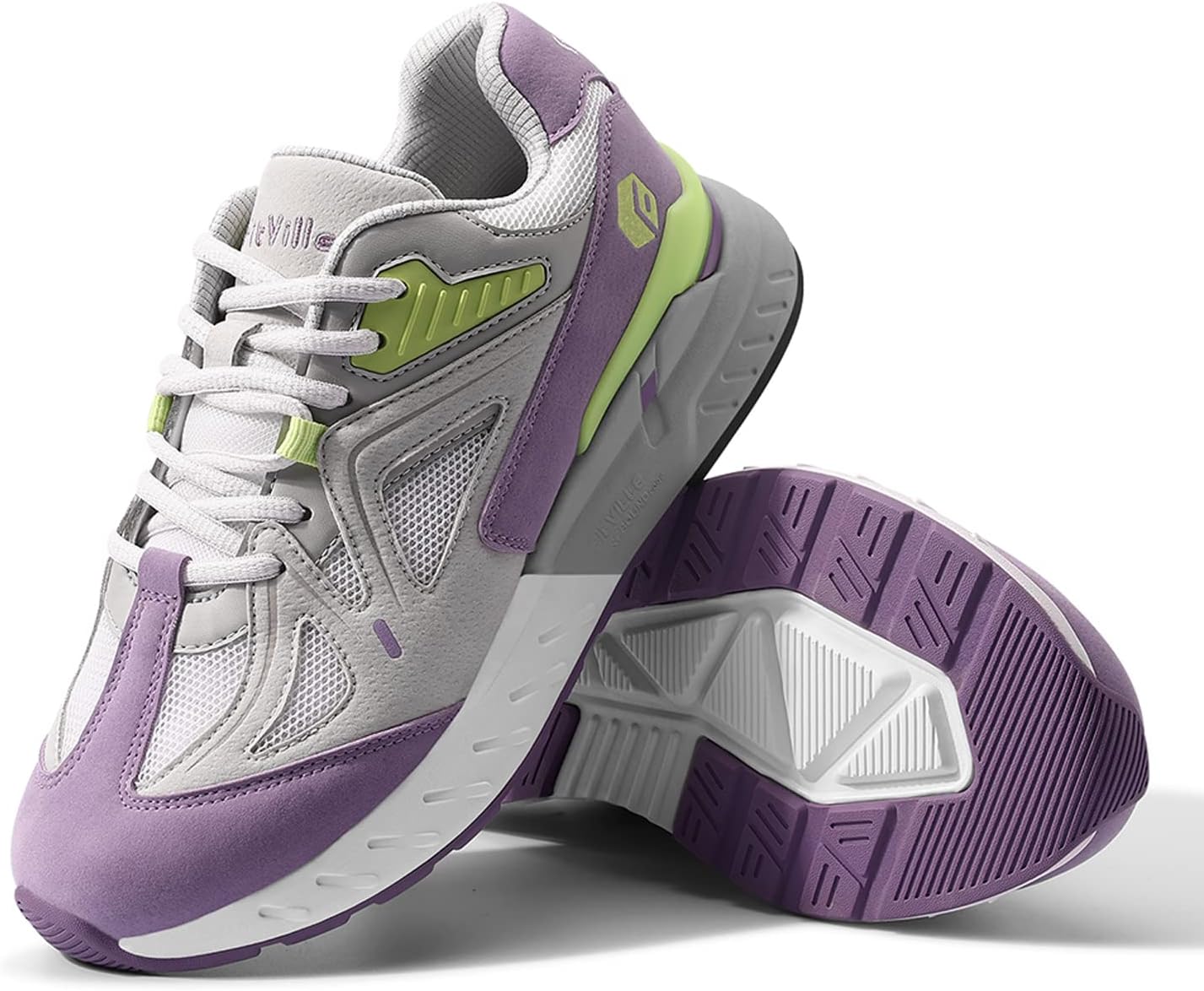
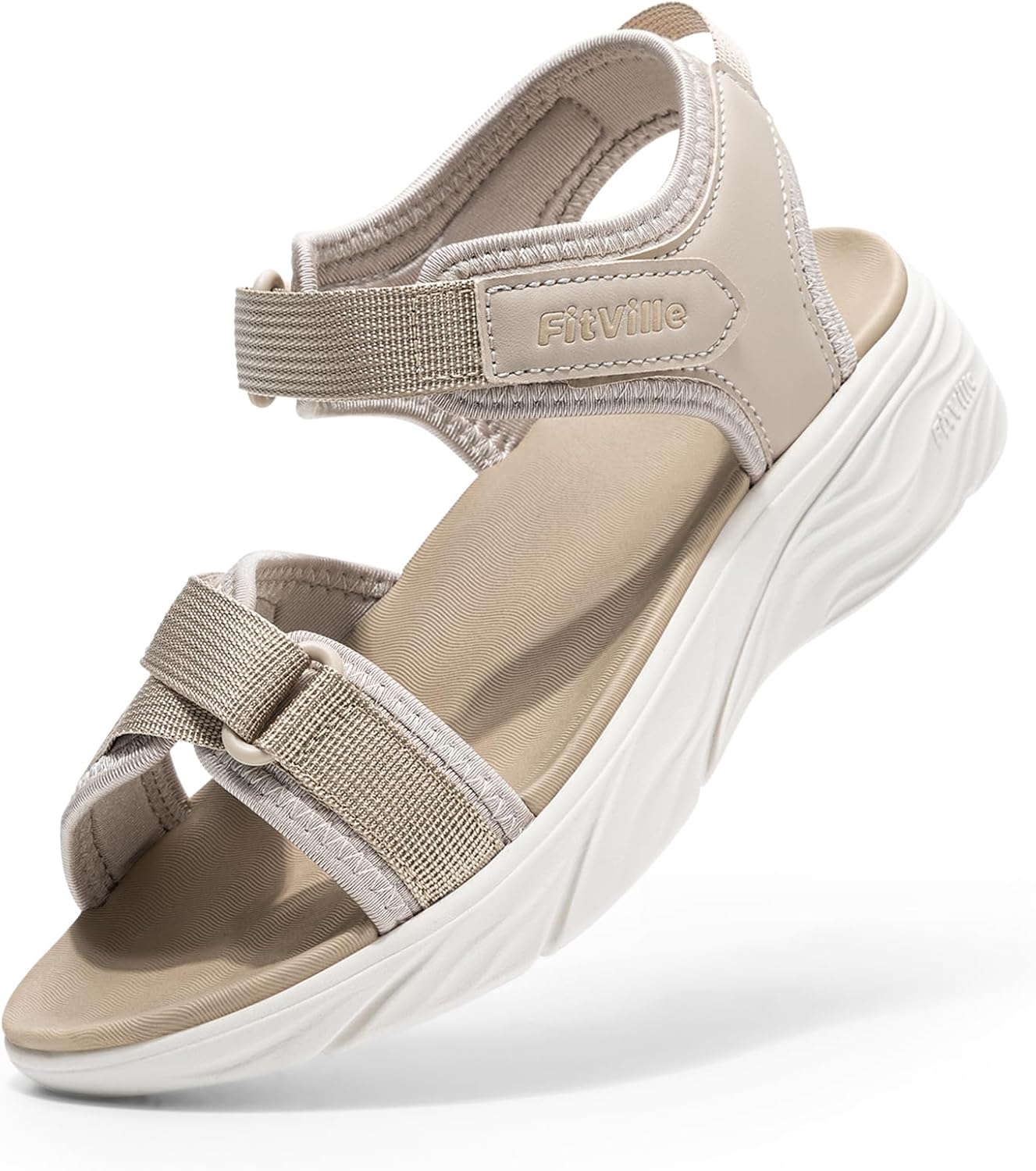
Each card links to our full review — stated features, rating breakdown and who the model suits — plus a live price check on Amazon.